Adapted from University of Canterbury News 5th Nov 2025(Kelly Andrew, Communications Advisor media@canterbury.ac.nz
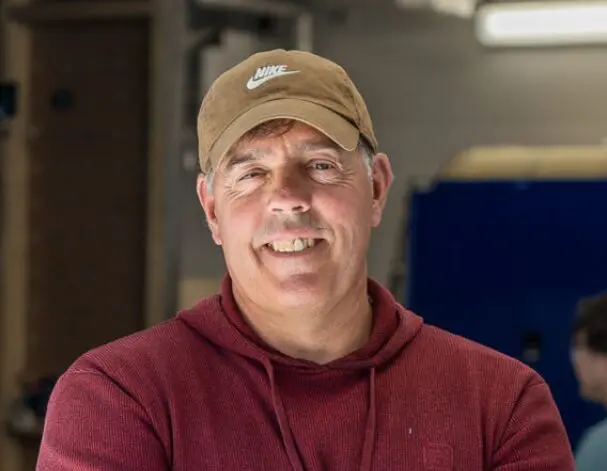
Professor Nick Draper has been awarded the prestigious 2025 UC Innovation Medal for his contributions to the field of sport and exercise science.
He has taught Sport and Exercise Science in Te Whare Wānanga o Waitaha | University of Canterbury (UC) Faculty of Health the past 15 years and during that time has led multiple research projects focused on finding practical solutions to real-world problems.
As a junior rugby coach and father of three rugby playing sons, Professor Draper was motivated to study head collisions in the sport both as a supporter of the game and as a researcher. He was also aware of rising concern from the rugby union community about the health effects of collisions experienced by players on the field.
“We knew there were gaps in the research relating to teenage rugby players in the area of player safety, and particularly the impact of head collisions on the growing number of young women playing rugby,” Professor Draper says.
He now leads the multidisciplinary UC Collisions in Junior Rugby research team which has enlisted over 300 rugby players (aged eight to 18) from local clubs to take part in field trials. After collecting data from MRI scans, video analysis, neurocognitive testing and measurements from instrumented mouthguards, the team recently launched a new prototype softshell headgear with the brand name Ruru, expected to go on sale in 2026. Evidence suggests health outcomes following concussion are poorer for females and Māori junior players, and this has fed into the design.
“If I look at the development of our rugby headgear, this is a great example of the research world and what experience gives you,” Professor Draper says. “We started by measuring collisions in rugby to better understand the impacts and we have used that data to develop our current model. Through our 10 years of research into collisions in rugby, I now feel we are asking the right questions, but there’s definitely more to do, and that’s part of the excitement.”
Professor Draper started out as a physical education teacher in Britain and completed research training at the Universities of London and New Mexico. He was a sport and exercise scientist for British Judo for eight years and a selector and team manager at European Championships, World Championships and Olympic Games and has supported athletes to success at the highest levels in sport.
He says collaboration and partnerships are key to his achievements. “If I had to give advice to a young academic, then it would be to follow your passion, take opportunities to collaborate, and do things that can make a difference in the real world. That’s when you’ll answer questions that are more relevant, more interesting and have more far-reaching effects.”